Organize My Life Checklist: A Simple 7 Step Process
Life can feel overwhelming when juggling multiple roles and responsibilities. From managing your career and personal growth to nurturing relationships and staying on top of everyday tasks, it’s easy to feel like there’s too much on your plate. But what if you could simplify the chaos with a clear, actionable plan? The answer: the organize my life checklist!
In this post, we’ll guide you through the organize my life checklist, a 7 step action plan designed to help you get organized and take control of your life. You’ll learn how to identify the key roles you play, set meaningful goals aligned with your priorities, and create a step-by-step plan to achieve them. Whether you’re looking to balance work and family life, focus on self-improvement, or simply get more done without burning out, this post will give you the tools to take control of your time and energy.

Organize My Life Checklist: 7 Steps to Take
Step One: Identify the Important Roles/Responsibilities in Your Life
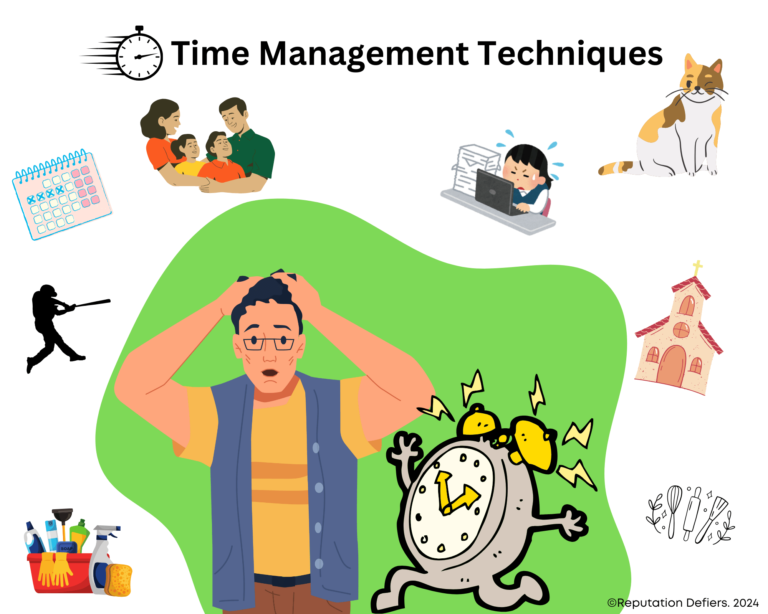
The first step of the organize my life checklist is to identify the roles and responsibilities you have in your life. This helps you to identify who you are now. When you identify your roles, you can see where your time and effort is currently being spent. Some will be great, maybe all will be good roles, but all may not be aligned with where you are trying to go in your life.
You may be taking on too many roles, and while the role may be a good one, such as volunteering, it may be stealing time from the other, more important roles in your life, and causing that hectic, busy but not productive atmosphere in your life. By identifying your current roles, you can then determine which roles are important for you to maintain and organize, and which you may want to eliminate.
Some sample roles that you may want to consider include:
- Mother/Father
- Grandparent
- Spouse/Partner
- Daughter/Son
- Brother/Sister
- Friend
- Neighbor
- Manager
- Leader
- Director
- Co-Worker
- Mentor
- Project Manager
- Your Chosen Career (whatever it is)
- Athlete
- Artist
- Writer
- Musician
- Volunteer
- Student
- Church Usher
Once you have identified all the roles you are currently filling, make a list and cross out the ones you may no longer wish to fulfill (or now realize you do not have the necessary resources and time to fulfill). When we try to do too many things at once, we are creating an environment that will be very difficult to organize, cause stress, and make us feel like we have no real direction or guidance.
Step Two: Set Goals
The next step in the organize my life checklist is to set goals for each role that you have identified. Now that you have chosen the most important roles in your personal and professional life, you can set SMART goals to begin breaking down each area of your life. Setting SMART goals helps you stay organized by providing clear, actionable objectives that are Specific, Measurable, Achievable, Relevant, and Time-bound. This framework turns vague aspirations into concrete plans, making it easier to prioritize tasks and track progress.
By defining your goals in this way, you create a road map that keeps you focused and aligned with your overall vision and with the most important roles in your life. SMART goals also reduce overwhelm by breaking down larger projects into manageable steps, ensuring that you stay on track and organized as you work toward achieving them.
Step Three: Break Your Goals Down Into Smaller Steps
Once you have identified your short and long term goals, the next step in the organize my life checklist is to break those goals down into smaller, actionable items. This is where organization really begins to come into play! By breaking your goals for the most important roles in your life into small steps and simple tasks that you can do, you are essentially creating your to do list that can be organized into daily, weekly, and monthly schedules.
Breaking your big short and long term goals down into smaller, actionable steps will also help you get organized by turning the big, overwhelming objectives into manageable tasks that are easier to tackle. This approach provides clarity on what needs to be done and allows you to focus on one step at a time, reducing stress and boosting motivation. Smaller steps also make it easier to track progress, celebrate milestones, and adjust your plan if needed. By creating a clear path toward your goals, you can prioritize tasks effectively and maintain momentum, ensuring that your efforts remain focused and organized throughout the journey.
Step Four: Prioritize Your Tasks
Now that you have identified your most important roles, set your SMART goals, and broken them down into smaller, actionable steps that you can do on a consistent basis, it’s time to take those smaller actionable steps and organize them based on level of priority. Why prioritize? The answer would seem simple, and it is.
Prioritizing your tasks helps you stay organized by ensuring that your time and energy are focused on what truly matters. When you identify and tackle high-priority tasks first, you can make meaningful progress toward your goals without getting sidetracked by less important activities. Prioritization also helps reduce decision fatigue, as it provides a clear plan for what to do next, keeping your day structured and productive.
By addressing urgent and important tasks early, you can avoid last-minute stress and free up space for long-term planning or personal time, maintaining a balanced and organized life. Tasks can be broken down any way that you like, but should be based on how the task will impact your ability to reach your goals. The table below is a good reference for splitting your tasks by high, medium, and low priority.
| High: Urgent and Important | Medium: Important But Not Urgent | Low: Not Urgent and Not Important |
| These tasks require immediate attention and have significant consequences if not completed. | These tasks are important for long-term success but don’t need to be done right away. | These tasks have little immediate value and can be deferred, delegated, or eliminated. |
| Meeting a deadline, preparing for an important presentation, or addressing an emergency. | Professional development, strategic planning, or organizing your workspace | Browsing social media, reorganizing something already functional, or low-impact meetings. |
Step Five: Set Deadlines
Next in the organize my life checklist you will want to set deadlines for each task, based on priority. Deadlines are an important part of any goal or action plan. By setting deadlines, you are providing yourself with motivation to actually carry out a given task. Correct me if I’m wrong, but I’m sure that you have managed to clean your entire house in the hour before someone comes to visit, verses the 8 hours it might usually take you. Why? You have a deadline.
Setting deadlines helps keep you organized by creating a clear timeline for completing tasks, which prevents procrastination and ensures steady progress toward your goals. Deadlines provide structure, helping you prioritize tasks and allocate your time effectively. With a defined endpoint in sight, you’re more likely to stay focused and avoid distractions, knowing exactly what needs to be accomplished and when.
In addition, deadlines encourage accountability by holding you responsible for meeting specific time frames. They make it easier to break larger projects into smaller, manageable steps, each with its own mini-deadline. This approach not only prevents overwhelm but also provides opportunities to celebrate progress along the way. By setting realistic and well-planned deadlines, you can stay on track, reduce stress, and create a more organized and productive workflow in both your personal and professional life.
Step Six: Carry Out Your Action Plan
At this point in the organize my life checklist, you should have a well developed sense of where you want to go, what you want to do, and how you are going to do it. Now? Its time to put the plan into action. Begin executing your tasks according to priority and deadlines. Create daily, weekly, and/or monthly schedules based on the tasks you have identified need to be completed, and factor in their level of priority. High priority tasks will need to be done first, but medium priority tasks are also important in getting you to where you want to go, so you will want to factor in time to get those done.
There are plenty of different techniques that can be used to organize and carry out the various tasks you have identified in the various roles in your life:
- Time Block Method: Schedule specific blocks of time in your day for focused work on particular tasks or categories of tasks
- The Pomodoro Technique: Work in short, focused intervals (e.g., 25 minutes), followed by a 5-minute break. Take a longer break after every four intervals.
- The 1-3-5 Method: Each day, plan to accomplish 1 big task, 3 medium tasks, and 5 small tasks.
- Batch Processing: Group similar tasks and complete them together in one sitting (e.g., responding to emails, running errands).
10 Methods for Organizing Your Tasks on a Daily, Weekly, or Monthly Basis
Step Seven: Re-Evaluate
The last step of the organize my life checklist is to re-evaluate the plan periodically. Re-evaluating is a critical step in organizing your life because it allows you to adapt and improve your approach as circumstances change. Regularly review your progress to identify what’s working well and where adjustments are needed. Reflect on completed tasks to celebrate achievements and learn from any challenges. Assess whether your goals are still relevant or if they need to be refined based on new priorities or opportunities. Use this time to re-prioritize tasks, refine your action plan, and incorporate any lessons learned. By consistently re-evaluating, you can maintain focus, stay organized, and ensure your efforts align with your evolving needs and aspirations.
Download the Organize My Life Checklist!
More Tips For Organizing Your Life!
Develop GOOD Habits
Building healthy habits is the key to staying consistent and carrying out the tasks that need to be done on a regular basis to get you where you want to go. We all have habits in our life, whether they are good or bad, intentionally built or instilled in us somewhere along the line. The key to solidifying healthy habits and eliminating the unhealthy ones is to really understand what your habits are now, which ones you want to eliminate, and how to do it.
As you begin to get organized and move forward in your life, you will want to begin to build new habits. This goes hand in hand with identifying your roles and responsibilities, your goals, and creating an action plan. By doing this, you can identify actionable tasks to reach your goals, and from there determine what things you need to do on a consistent basis (your new habits!).
Build a Routine
Building a routine is one of the most effective ways to get organized because it creates structure and consistency in your daily life. By setting regular times for tasks like work, self-care, and household responsibilities, you eliminate the guesswork and reduce decision fatigue, freeing up mental energy for more important things. A well-planned routine also helps you prioritize what matters most, develop healthy habits, and stay on track with your goals. Over time, routines turn intentional actions into effortless habits, making it easier to manage your time and stay organized, even when life gets busy.
Plan Ahead
Planning ahead is a powerful tool for staying organized because it allows you to anticipate tasks, allocate your time effectively, and avoid last-minute stress. When you take time to map out your priorities, deadlines, and resources, you create a clear road map that keeps you focused and on track. Planning also helps you identify potential obstacles and prepare solutions in advance, ensuring that surprises don’t derail your progress. Whether it’s creating a weekly schedule, setting daily to-do lists, or prepping for upcoming projects, planning ahead turns chaos into clarity and helps you approach your goals with confidence.
Be Consistent
Consistency is the foundation of staying organized because it turns small, intentional actions into lasting habits. When you consistently follow routines, stick to schedules, and regularly review your priorities, organization becomes second nature rather than a struggle. It minimizes clutter—both mental and physical—by maintaining order over time instead of letting tasks pile up. Consistency also builds momentum, helping you achieve goals more efficiently and with less stress. By showing up daily and staying disciplined, you create a rhythm that keeps your life running smoothly and organized with minimal effort.
Don’t Try to Be Perfect
Progress…not perfection! One of my favorite sayings that I’m sure you have heard on more than one occasion. The goal should never be to be perfect. There will always be something that can be done better and perfectionism often leads to frustration, procrastination, or burnout, especially when things don’t go as planned. To be productive, efficient, and reach your goals you do not have to do everything perfectly. Don’t let it hold you back when you make a mistake or miss something.
Progress means recognizing that life is messy and flexible, and your systems should be too. It’s not about having everything perfectly in place but about creating habits and routines that make your life easier over time. By letting go of perfection and prioritizing progress, you’ll build sustainable organization skills that truly work for you.
Maintain a Balance
Maintaining balance in your life when it comes to organization is about managing responsibilities without losing sight of your well-being and personal priorities. While staying organized can help you achieve goals and handle tasks efficiently, it’s important to avoid over-scheduling or obsessing over perfection. Balance means setting realistic expectations, prioritizing what truly matters, and leaving room for rest, spontaneity, and enjoyment. By finding a harmony between structure and flexibility, you can stay productive without feeling overwhelmed, creating an organized life that supports both your goals and your happiness.
Know Your Priorities
One of the steps in our organize my life checklist, knowing your priorities can go a long way in organizing your day to day life in a way that aligns with your goals. Knowing your priorities is essential for staying organized because it helps you focus on what truly matters and avoid wasting time on distractions.
When you clearly define your top goals and values, you can align your tasks and schedule around them, ensuring that your energy is spent on meaningful activities. Prioritization also makes decision-making easier, allowing you to confidently say “yes” to what supports your objectives and “no” to what doesn’t. By keeping your priorities at the forefront, you create a sense of purpose and direction that keeps your life organized and on track.
De-clutter
Decluttering is a powerful way to stay organized because it removes unnecessary distractions and creates a clean, functional space for what truly matters. When you eliminate items you no longer need, you gain clarity and make it easier to find and manage the things you use regularly. A decluttered environment reduces stress, boosts productivity, and helps you focus on your priorities instead of feeling overwhelmed by chaos. Whether it’s your home, workspace, or digital files, simplifying and tidying up lays the foundation for maintaining long-term organization.
Actionable Steps
- Create a daily, weekly, and/or monthly schedule
- De-clutter your environment
- Make to Do Lists
- Cleaning lists
- Grocery Lists
- Daily To-Do Lists
- Meal Plan Lists
- Goals List
- Schedule/Time Blocks List
- Delegate
- Split up household tasks among family members
- Use of digital tools to keep track of to do lists and calendars